
SEO Basics: Getting Your Cape Town Business Found Online
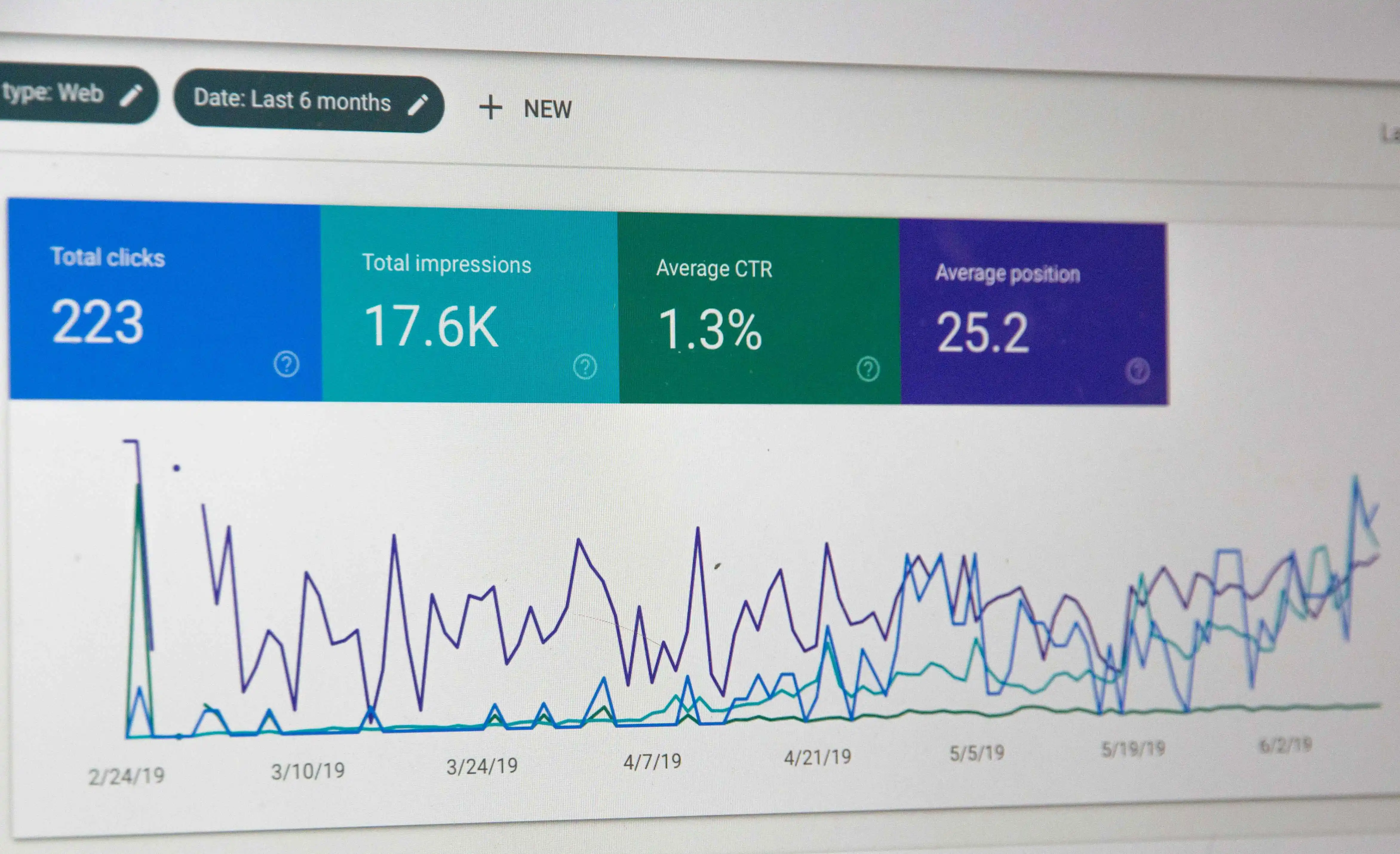
Search Engine Optimization (SEO) might sound technical, but the fundamentals are straightforward. This guide will help Cape Town businesses get started with SEO and start appearing in search results where your customers are looking.
What Is SEO and Why Does It Matter?
SEO for local businesses is the process of improving your website so it appears higher in search results when nearby customers search for the products or services you offer. It helps connect your business with people who are actively looking for solutions in your area, whether that’s “plumbers in Durban” or “digital marketing agency Cape Town.”
When implemented correctly, it brings consistent, long-term traffic from people who already have purchase intent. That means more qualified leads, higher conversion rates, and steady growth without ongoing ad spend.
For local businesses, SEO isn’t just about ranking high, it’s about being in front of the right audience, at the right time, in the right location.
Why SEO matters:
- 93% of online experiences start with search
- 75% of users never scroll past page one
- Local searches lead to purchases within 24 hours
Want a website built for SEO from the ground up? Explore our professional website design services optimized for search engines.
How Do You Find the Right Keywords?
Keywords are the phrases your customers type into Google. Before you can rank, you need to know what people are searching for.
Start by brainstorming what you'd search for if you needed your own services. Then use Google's autocomplete and "People also ask" sections to discover related terms.
Keyword research steps:
- Think like your customer
- Use Google autocomplete for ideas
- Check what competitors are targeting
Learn more about attracting customers with the right strategy in our guide on digital marketing for South African businesses.
What Are the On-Page SEO Essentials?
On-page SEO focuses on optimizing each individual page so it ranks higher in search results and attracts nearby customers. By improving how each page is structured, written, and tagged, search engines can better understand your business and show it to people in your area who are searching for your services.
This process involves fine-tuning page titles, meta descriptions, and headers to include local keywords such as your city or region. It also means creating high-quality, original content that answers customer questions and demonstrates local expertise. Adding optimized images with descriptive filenames and alt text strengthens both accessibility and local relevance.
Google rewards local websites that combine technical accuracy with valuable content. If your pages load quickly, read clearly, and genuinely help users, they’re far more likely to rank higher and attract qualified local leads.
On-page priorities:
- Include keywords in titles and headers
- Write clear, valuable content
- Optimize images with alt text
Looking for a website that handles all this automatically? Check out our website packages designed with SEO built-in.
How Does Local SEO Help Cape Town Businesses?
Local SEO for small businesses focuses on helping your company appear in search results when people look for services “near me” or in specific locations “Cape Town” or “Claremont.” It connects you directly with customers who are searching within your service area.
The foundation of strong local SEO begins with your Google Business Profile. Claim it, verify it, and keep every detail accurate. From business hours and contact info to categories and photos. This listing helps your business appear in Google Maps, which drives the majority of location-based clicks.
Next, use location-specific keywords throughout your website, titles, and meta descriptions to signal relevance to nearby searches.
Local SEO essentials:
- Claim and complete your Google Business Profile
- Use city and neighborhood keywords
- Encourage authentic customer reviews
Why Is Technical SEO Important?
Technical SEO for local businesses ensures that search engines can crawl, index, and understand your website correctly. Even the best content won’t rank if Google can’t access it.
A well-optimized site includes clean code, HTTPS security, and a clear XML sitemap that helps Google navigate your pages. Regularly testing site speed and fixing broken links also signal quality to search engines.
When your technical setup runs smoothly, search engines can focus on your content which boosts visibility, improve rankings, and provides users with a seamless experience that builds trust and drives conversions.
Technical must-haves:
- Fast loading speeds
- Mobile-responsive design
- SSL certificate (HTTPS)
What Is Off-Page SEO and Link Building?
Off-page SEO strengthens your website’s authority by building trust beyond your own domain. It’s about how the internet perceives your business through backlinks, mentions, and engagement.
High quality backlinks from relevant, reputable websites tell Google that your content is credible and worth ranking. Focus on earning links naturally through valuable content, partnerships, and guest posts, not through spammy link exchanges.
Customer reviews and social media activity also influence search visibility. Positive online feedback improves local SEO while consistent social engagement builds brand awareness. Combined, these signals increase your authority and help your business rank higher in competitive search results.
Off-page strategies:
- Earn backlinks from local directories
- Gather customer reviews
- Share content on social media
Which Free SEO Tools Should You Use?
Start with Google Search Console to monitor your search performance, submit sitemaps, and identify errors. Google Analytics tracks traffic and user behavior.
Your Google Business Profile helps you manage local listings and respond to reviews.
Essential free tools:
- Google Search Console for monitoring
- Google Analytics for traffic insights
- Google Business Profile for local SEO
What SEO Mistakes Should You Avoid?
Many small businesses unknowingly hurt their rankings by making simple SEO mistakes. These include keyword stuffing, using duplicate content, ignoring mobile optimization and neglecting local SEO.
Keyword stuffing makes content unreadable, while duplicate pages confuse search engines. Ignoring mobile users cuts off most of your potential audience, and not optimizing for local intent means losing nearby customers to competitors.
To avoid these pitfalls, focus on quality over quantity. Write for humans first, not algorithms. Keep your website fast, useful, and easy to navigate.
Avoid these errors:
- Overusing keywords unnaturally
- Copying content from other sites
- Ignoring mobile optimization
How Long Does SEO Take to Work?
SEO is a long-term investment, not an instant fix. Most businesses begin to see noticeable improvements within 3–6 months, but results depend on factors like competition, domain age, and content consistency.
Search engines reward steady effort. Each optimization, from better content to stronger backlinks, compounds over time, increasing traffic and conversions.
The key is to start now and stay consistent. Regular updates, analytics tracking, and strategic content publishing keep your momentum growing month after month.
SEO timeline:
- Month 1-2: Foundation and optimization
- Month 3-4: Content creation and link building
- Month 6+: Sustained traffic growth
Conclusion
SEO isn't complicated when you focus on the basics. Start with keyword research, optimize your pages, claim your local listings, and build quality content.
Valvanta Digital specializes in helping Cape Town businesses rank higher in search results. Explore our website design services, or contact us today for professional SEO services tailored to Cape Town businesses!
Frequently Asked Questions
Subscribe to Our Newsletter
Get the latest insights on digital marketing delivered to your inbox
We respect your privacy. Unsubscribe at any time.
Related Articles

5 Essential Digital Marketing Strategies for South African Small Businesses in 2025
Discover the proven digital marketing strategies helping South African small businesses grow online, attract more customers, and boost sales in 2025.

The Importance of Professional Website Design for Local Businesses
Discover how a professionally designed website builds trust, boosts SEO, and drives conversions for local South African businesses.

Will a Website Really Help My Business Grow? (Spoiler: Yes, and Here’s How)
Improving your didigtal precense starts with a website